Sunday prep.
Five dinners.
Ninety minutes on Sunday. Real food in your fridge by Monday. No nutrition plans, no medical advice — just practical systems for people who want to cook less and eat better.
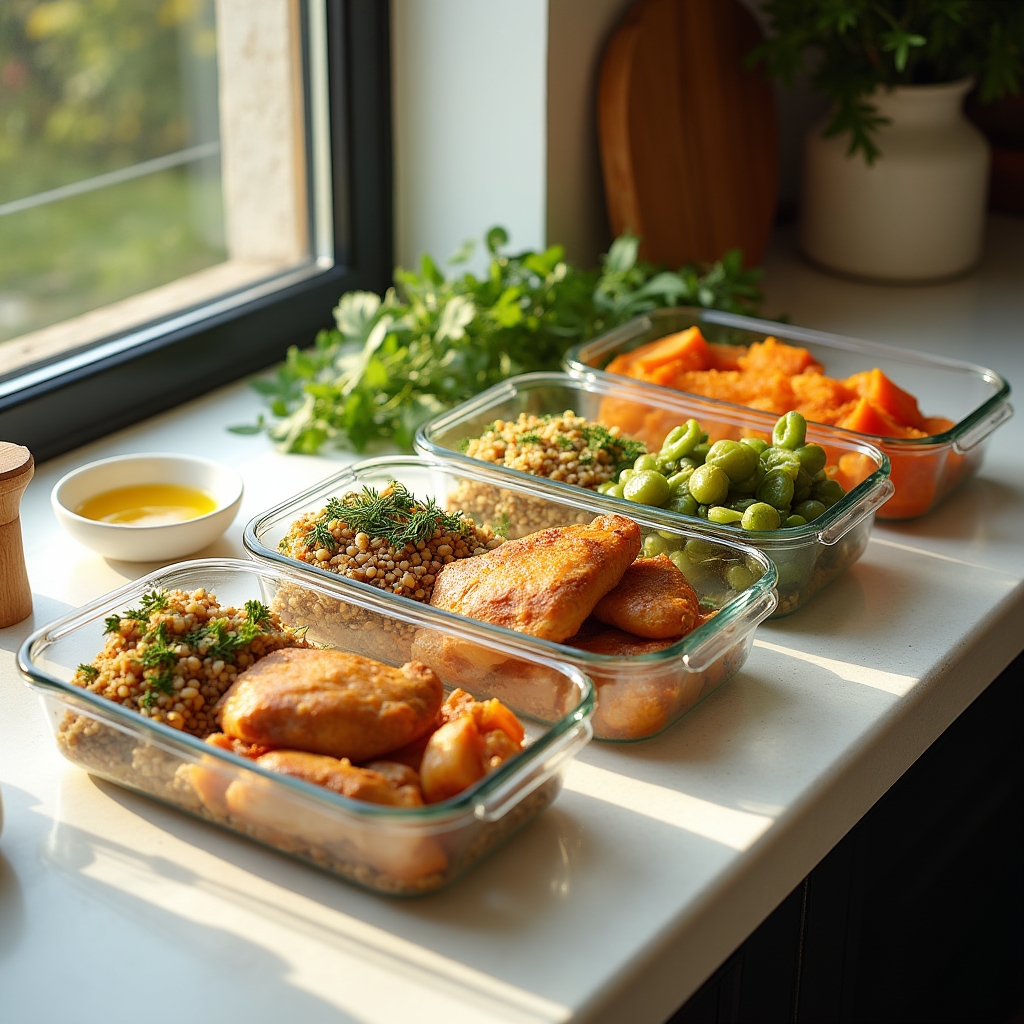
You're not lazy. You're just missing a system.
Ordering takeout five nights a week isn't a character flaw. It's what happens when you get home at 7pm and there's nothing ready to cook. The problem isn't motivation — it's infrastructure.
Huzata focuses on one thing: building a repeatable Sunday workflow that puts real food in your fridge before the week starts. Not a diet. Not a meal plan. A system.
Read the full approachThe takeout cycle
No food at home means ordering out. Ordering out means no incentive to prep. The cycle repeats.
The time illusion
Most people overestimate how long prep takes. Ninety focused minutes beats seven nights of delivery wait times.
Decision fatigue
Choosing what to cook after a full workday is its own exhausting task. A rotation removes that decision entirely.
The container problem
Good food stored badly goes bad fast. The wrong container undoes a good prep session before Wednesday.
Four areas. One practical system.
Every guide on Huzata fits into one of four categories. Together, they cover everything you need to go from takeout-dependent to fridge-stocked.
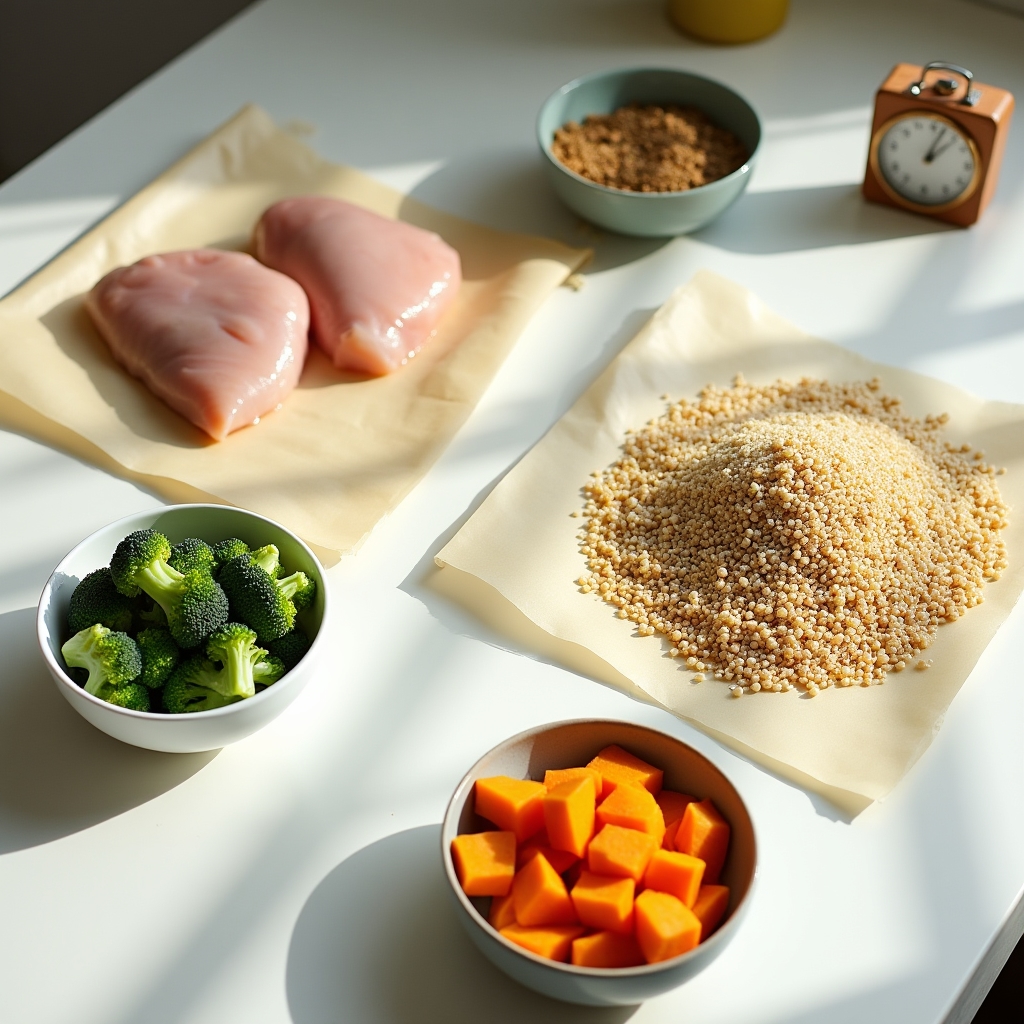
The 90-Minute Sunday Method
A sequenced approach to cooking five complete dinners in one session. Which tasks to run in parallel, which proteins to start first, how to stage the oven and stovetop so nothing sits cold.
Read guides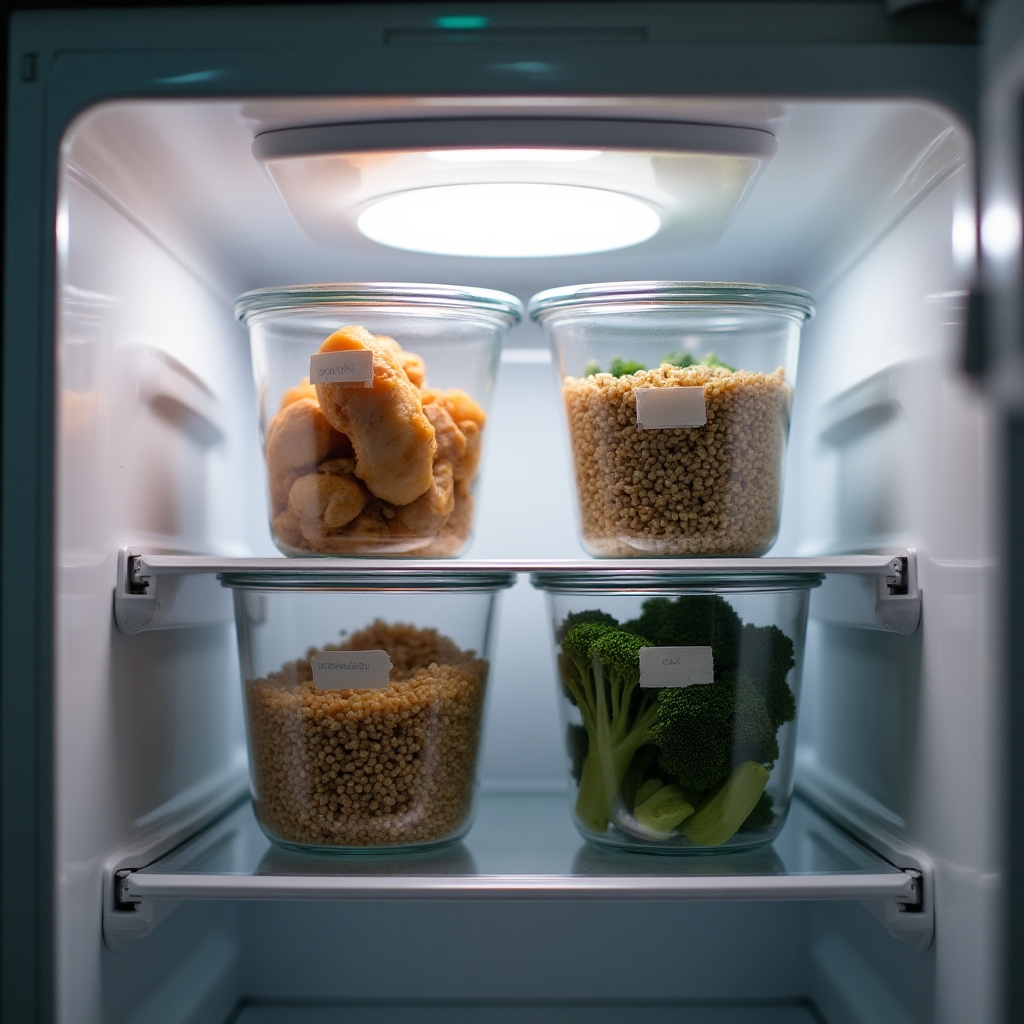
What Holds Up vs. What Doesn't
Chicken thighs versus chicken breast. Farro versus rice. Roasted broccoli versus raw cucumber. A practical reference for which ingredients stay good through Thursday and which turn by Tuesday.
Read guides
Building a 10-Meal Rotation
Eating the same five meals every week for a month is how people quit. A rotation of ten meals, cycled strategically, keeps things varied enough that prep stays sustainable long-term.
Read guides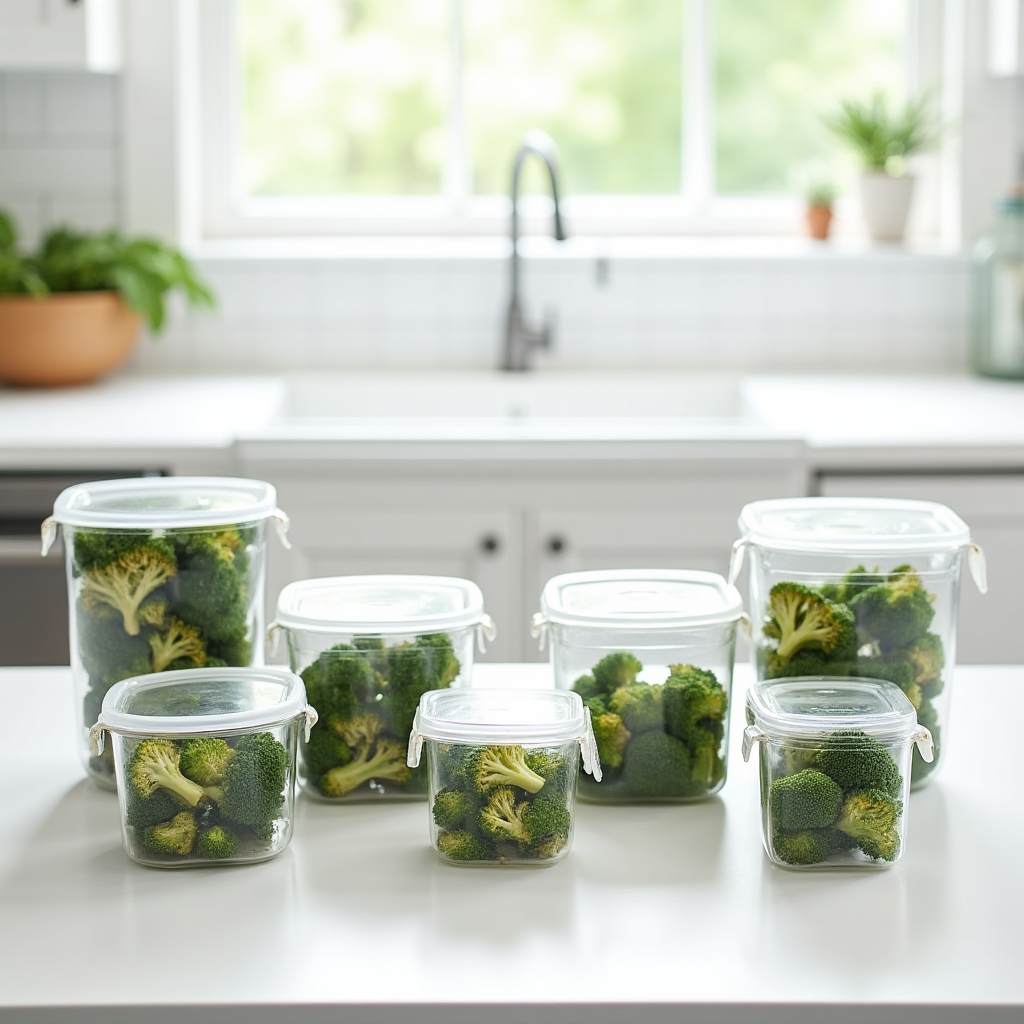
Container Reality Check
What actually keeps food fresh at day four versus what looks good in a pantry photo. Airtight seals, material choices, stackability, and why some popular containers underperform their marketing.
Read guidesFour days in the fridge: who survives?
Not all prepped food behaves the same. These categories are a starting point — detailed guides in the archive cover each one in depth.
Proteins
Grains
Vegetables
These are general reference points based on standard refrigerator conditions. Storage times vary with container quality, fridge temperature, and preparation method. Full ingredient guides are in the archive.
Browse the full archive
Every guide organized by category. Start with the 90-minute method, explore ingredient hold times, or go straight to the rotation builder.
Open the ArchiveUnderstand the approach first
Not sure if this is for you? Read the reasoning behind the 90-minute method before diving into guides. It explains what this is and what it isn't.
Read the Approach
A kitchen system guide. Not a diet.
This is not a nutrition portal. It doesn't tell you what to eat based on your goals, your health, or your macros. That's not the problem being solved here.
The problem is simpler: you order takeout because you don't have a working system for getting food into your fridge before the week starts. Huzata addresses that specific problem with practical, tested information about timing, ingredient selection, storage, and rotation.
No medical advice. No supplement recommendations. No meal plans that expire in two weeks. Just guides you can read once and apply Sunday.
A web resource for professionals everywhere
Huzata is an online resource. The guides, references, and systems apply whether you're cooking in a studio apartment or a full kitchen. The information is designed to work across kitchens and climates.
Who reads Huzata
The typical reader works a full-time job, has limited cooking experience, and currently spends more on takeout than they'd like. They're not looking for a cooking hobby. They want food in the fridge with minimal Sunday effort.
The guides are written for people in one-bedroom apartments with a basic stovetop and oven, but the systems scale to any kitchen setup. The ingredient and container information applies anywhere in the US.